
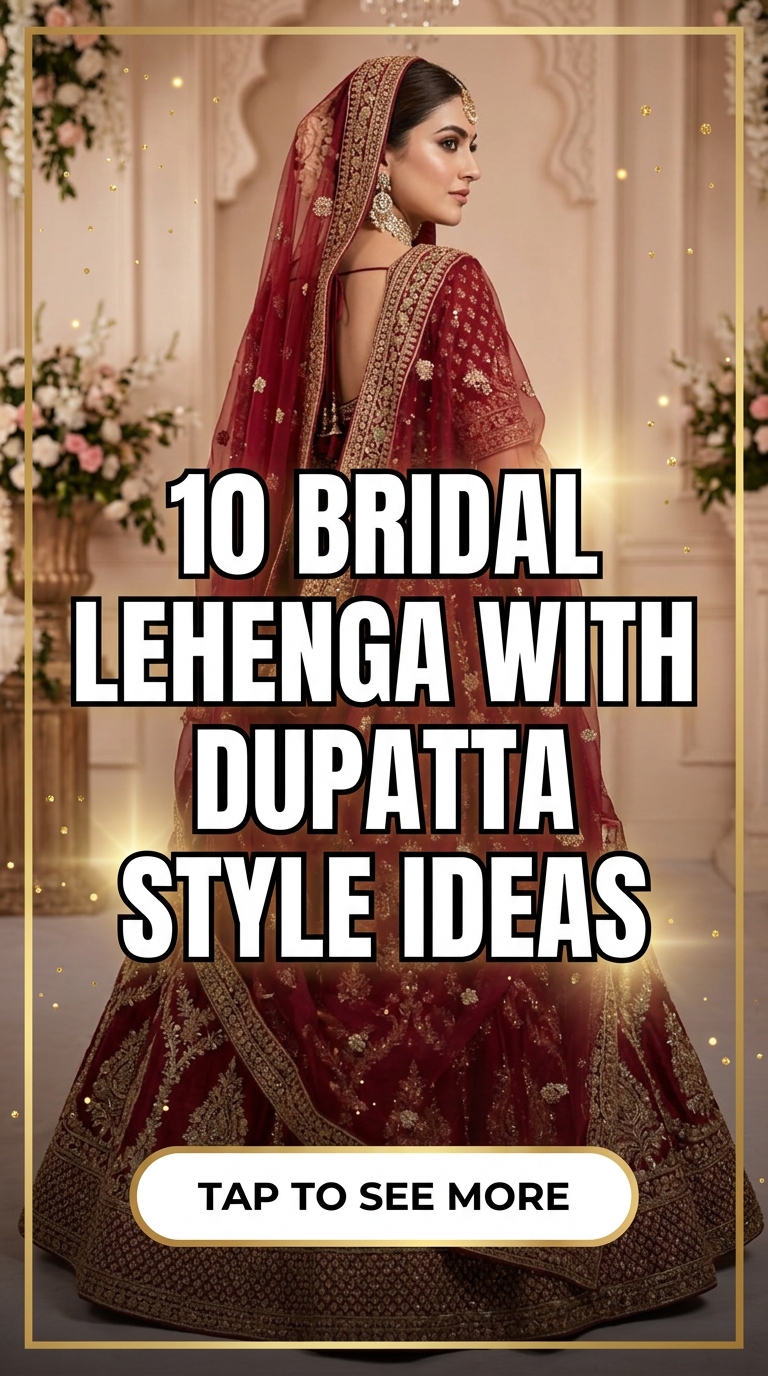
A bridal lehenga is one of the most important elements of a bride’s wedding look, but what truly elevates the entire outfit is the dupatta styling. The way a dupatta is draped can completely transform the appearance of a lehenga, adding elegance, royalty, or even a modern twist. From traditional double dupatta styles to contemporary drapes, brides today have endless options to express their personal style. In this article, we explore 10 stunning bridal lehenga with dupatta style ideas that will help you create a memorable and picture-perfect bridal look.

1. Classic Double Dupatta Style
The double dupatta style is a timeless bridal favorite. One dupatta is draped over the head in a traditional manner, while the second is styled across the shoulder or arm. This look adds volume and grandeur, making it perfect for brides who want a royal and heavily adorned appearance. Usually, contrasting colors or lighter fabrics are chosen for the second dupatta to balance the overall outfit.

2. Front Pallu Dupatta Draping
In this style, the dupatta is draped like a saree pallu, falling gracefully from one shoulder to the front. It showcases intricate embroidery on the lehenga blouse while adding a structured and elegant vibe. This is a great choice for brides who want to highlight their blouse design.

3. One-Side Shoulder Dupatta Style
This modern and minimalistic style involves pinning the dupatta on one shoulder and letting it flow freely. It is ideal for brides who prefer a lighter, fuss-free look while still maintaining elegance. This style works especially well with heavily embroidered lehengas.

4. Dupatta Over Head with Open Fall
A traditional yet graceful style, this involves placing the dupatta over the head and letting it fall naturally on both sides. It gives a soft, dreamy, and modest bridal appearance. This style is perfect for religious ceremonies and classic wedding aesthetics.

5. Belted Dupatta Style
Adding a belt to secure the dupatta at the waist is a trendy and practical option. It not only keeps the dupatta in place but also enhances the bride’s silhouette. Brides can use embellished belts to add a modern twist to their traditional attire.

6. Cape Style Dupatta Draping
In this contemporary style, the dupatta is draped like a cape over the shoulders. It creates a dramatic and fashion-forward look, ideal for brides who want something unique. This style works beautifully with sheer or net dupattas.

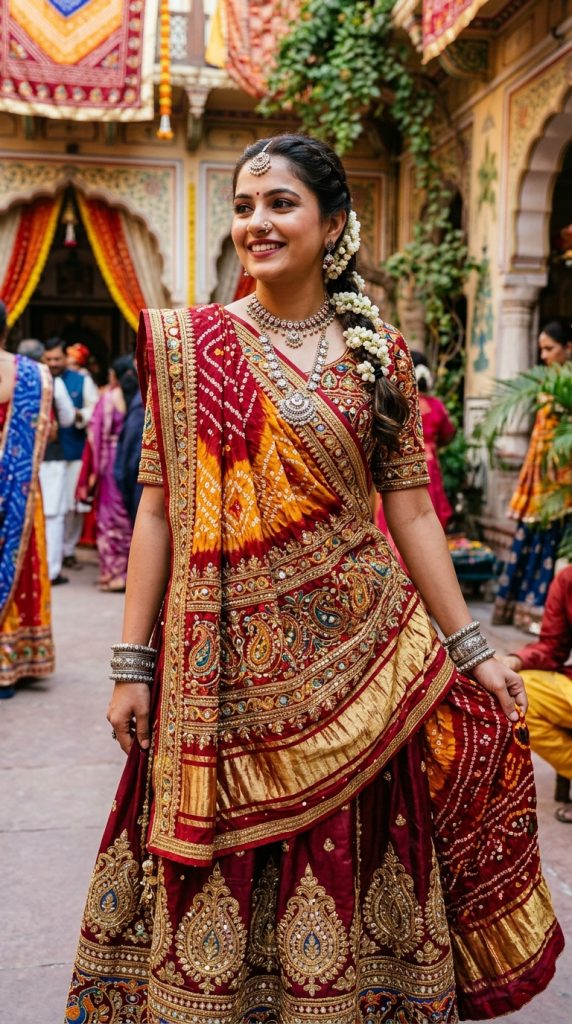
7. Gujarati Style Dupatta Draping
This style features the dupatta draped from the back to the front, covering the torso. It allows the intricate work of the dupatta to be fully visible. This traditional Gujarati drape is bold, vibrant, and perfect for brides who love cultural richness.
8. Pleated Dupatta Draping
In this neat and structured style, the dupatta is pleated and pinned over the shoulder, similar to a saree. It gives a clean and sophisticated look, making it ideal for modern brides who prefer simplicity with elegance.

9. Side Waist Dupatta Tuck Style
This style involves tucking one end of the dupatta at the side of the waist while draping the rest over the shoulder. It creates a flattering silhouette and allows ease of movement, making it practical for long wedding events.

10. Bridal Veil Style Dupatta
Inspired by Western bridal fashion, this style uses a long dupatta as a veil flowing behind the bride. It adds a dramatic and ethereal touch, perfect for creating stunning wedding photographs and a fairytale-like entrance.

Conclusion
Choosing the right dupatta style can completely transform your bridal lehenga look. Whether you prefer a traditional, royal appearance or a modern, minimalist vibe, the right draping style helps highlight your outfit and personality. Brides today are experimenting with unique combinations, mixing tradition with contemporary fashion to create unforgettable looks. Ultimately, the best dupatta style is the one that makes you feel confident, comfortable, and truly beautiful on your special day.